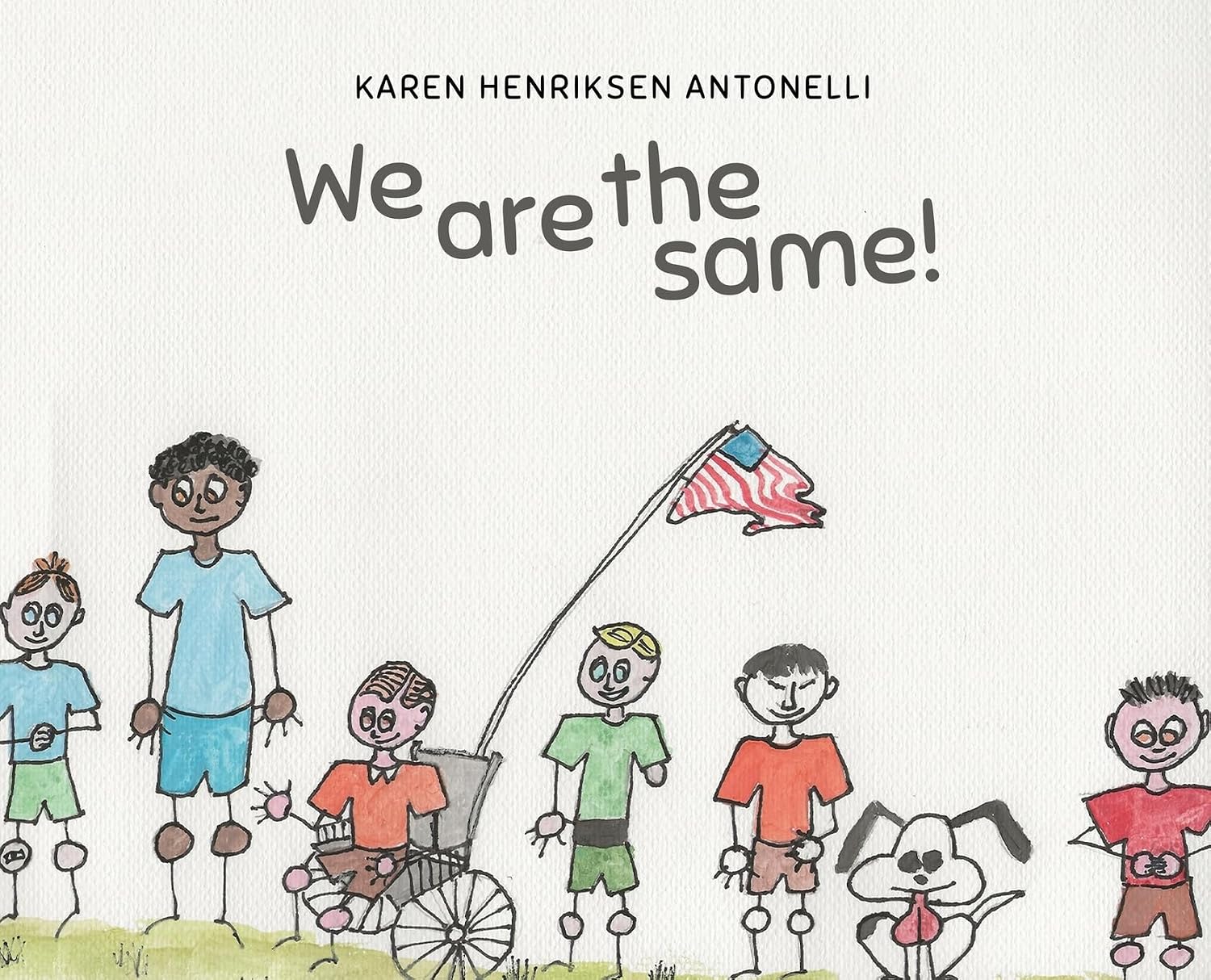
Children notice differences early. One child loves soccer. Another prefers drawing. One reaches for vanilla ice cream while another chooses chocolate. These moments often seem small, but they shape how children understand themselves and others. When handled with care, these differences become a source of connection rather than division. That is where gentle conversations and thoughtful stories make a real difference.
Karen Henriksen Antonelli’s book, We are the Same!, is a warm, conversational work that helps parents and caregivers discuss differences in preferences with children while reinforcing their shared identity. It is not about correcting behavior or forcing lessons. It is about helping children feel safe being themselves while learning that others can be different and still belong.
Why Differences Matter in Everyday Life
Differences are part of daily childhood experiences. At home, children may disagree about what to watch or what game to play. At school, they may notice classmates who enjoy different foods, hobbies, or activities. These moments can lead to curiosity, frustration, or even withdrawal if children do not know how to understand them.
When adults respond calmly and openly, children learn that liking different things is a normal part of life. Saying something simple like “You like different things, and that is okay” permits children to be themselves. It also teaches them that difference does not mean distance.
Finding Common Ground Without Erasing Individuality
One of the most helpful ideas children can learn is that sameness and difference can coexist simultaneously. Children may enjoy different activities, but they still share common traits. They all have bodies that move, feelings that matter, and a need for friendship.
For example, one child may enjoy playing piano while another likes watching television. They may not share the same preferences, but they share the same feelings of joy and comfort. When parents point this out gently, children begin to understand shared identity without giving up personal interests.
This approach builds empathy naturally. Children do not feel pressured to change. Instead, they learn to respect others while staying true to themselves.
How Stories Support These Conversations
Stories are one of the easiest ways to introduce these ideas. A well-written children’s book shows differences without making them a problem. It repeats simple ideas, uses clear images, and allows children to notice patterns on their own.
This kind of storytelling creates space for discussion. A parent might pause and say, “You like different things, just like them.” The conversation stays light and meaningful. It reinforces that differences are expected and accepted.
Books that focus on shared human traits help children see that they belong, even when their preferences are unique.
Creating a Sense of Belonging at Home
When children feel accepted for who they are, they develop confidence. They are more willing to try new things and more open to others. Parents and caregivers play a key role by modeling acceptance in everyday moments.
Simple language works best. There is no need for long explanations. Consistency matters more than complexity. Over time, children carry these lessons into friendships and classrooms.
If you are looking for a story that supports these conversations, consider reading We are the Same! by Karen Henriksen Antonelli.
The book presents differences in a calm and relatable way while reinforcing the idea that all children share a common bond. It is a thoughtful choice for quiet moments that encourage understanding, connection, and kindness.
Pick a copy from Amazon: https://www.amazon.com/dp/197074989X.